
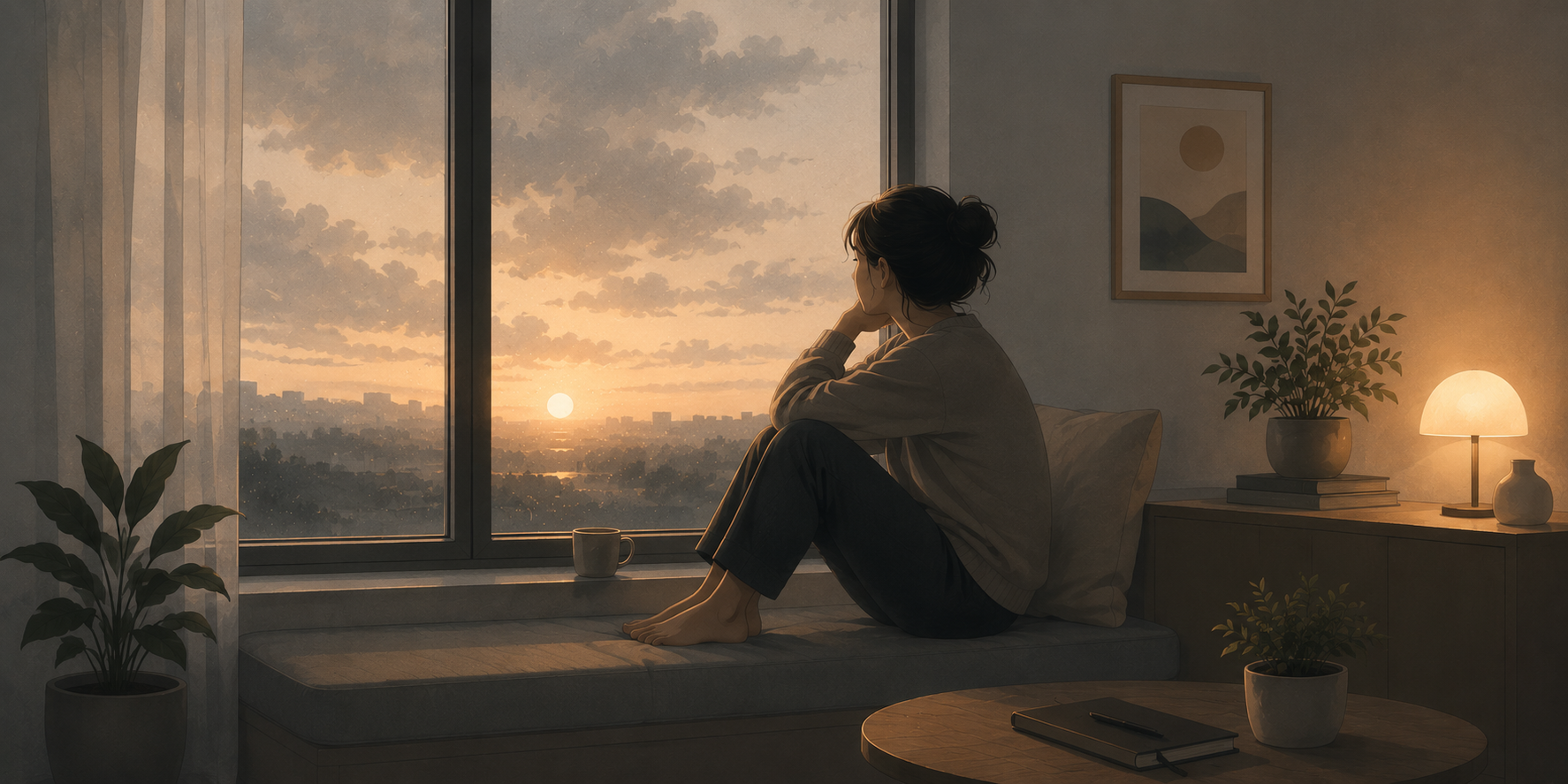
Ask most people to describe depression, and they'll say "feeling really sad." But sadness is only one piece of a much larger picture. Depression can show up as exhaustion, irritability, physical pain, or even a strange kind of numbness where you don't feel much of anything at all. This is exactly why so many people live with depression for months or years without recognizing it — the symptoms simply don't match what they expected.
This article covers the wider range of depression symptoms, including the ones that are most often missed.
What Depression Actually Feels Like
Depression isn't a single feeling — it's a cluster of emotional, physical, and cognitive changes that persist over time, typically two weeks or more, and interfere with daily life. For some, it feels like a heavy fog. For others, it feels like nothing at all — a flatness where things that used to matter simply stop registering. Some people describe it as constant fatigue; others as irritability so persistent that their relationships start to strain. There is no single "look" of depression, which is part of why it so often goes unrecognized, both by the person experiencing it and by those around them.
Emotional Symptoms
- Persistent low mood — not just sadness, but a heaviness that doesn't lift with good news or good days
- Loss of interest or pleasure (anhedonia) — hobbies, relationships, or activities you once enjoyed feel flat or pointless
- Feelings of worthlessness or excessive guilt — a harsh inner voice that criticises you for things that wouldn't normally warrant blame
- Irritability — especially common in men and in high-functioning depression, often mistaken for stress or personality
- A sense of emptiness or numbness — feeling disconnected from your own emotions rather than overwhelmed by them
Physical Symptoms
- Changes in sleep — insomnia, waking frequently, or sleeping far more than usual
- Changes in appetite or weight — eating significantly more or less without intending to
- Chronic fatigue — feeling physically drained even after adequate rest
- Unexplained aches and pains — headaches, back pain, or digestive issues with no clear medical cause
- Slowed movement or speech — sometimes noticeable to others before the person notices it themselves
Cognitive Symptoms
- Difficulty concentrating — struggling to focus on work, reading, or conversations
- Indecisiveness — even small choices (what to eat, what to wear) can feel overwhelming
- Memory problems — forgetfulness that feels out of character
- Negative thought patterns — a persistent inner narrative of hopelessness or self-criticism
- Thoughts of death or not wanting to exist — ranging from passive thoughts ("what's the point") to more specific thoughts; these should always be taken seriously and discussed with a professional
If you're experiencing thoughts of suicide or self-harm, please reach out for support immediately. In India, you can contact the Kiran Mental Health Helpline at 1800-599-0019, available 24/7, or reach out to a trusted person and a mental health professional as soon as possible.
Hidden Depression
Some people experience depression that isn't obvious to anyone around them — sometimes not even to themselves. Hidden depression often shows up as:
- Staying constantly busy to avoid sitting with difficult feelings
- Smiling and socialising normally in public while struggling privately
- Attributing symptoms entirely to physical causes ("I'm just tired," "my stomach's been off")
- Feeling embarrassed or in denial about the possibility of depression
Because there's no visible "breakdown," hidden depression can go unaddressed for a long time, often becoming more entrenched the longer it's left unspoken.
High-Functioning Depression
High-functioning depression describes people who continue to meet work deadlines, maintain relationships, and appear "fine" on the outside — while privately experiencing many of the symptoms above. It's often mistaken for simply being a "highly driven" or "stoic" person, but underneath, it usually involves:
- Persistent low-grade sadness or flatness that never fully lifts
- A sense of going through the motions rather than truly engaging with life
- Using achievement or busyness as a way to avoid confronting how they feel
- Difficulty admitting struggle because "things look fine from the outside"
High-functioning depression is still depression — the fact that someone is "coping" doesn't mean they don't need support.
Depression in Students
Depression in students often gets dismissed as ordinary academic stress. Signs to watch for include:
- Declining grades or sudden loss of motivation for previously enjoyed subjects
- Withdrawing from friends or campus activities
- Increased irritability with family or roommates
- Sleeping through classes or struggling with basic routines
- Using academic pressure as an explanation that masks a deeper emotional struggle
Academic environments in India can carry intense pressure to perform, which sometimes makes it harder for students to distinguish stress from something more serious — or to feel comfortable asking for help.
Depression in Working Professionals
In working adults, depression frequently overlaps with — and hides behind — burnout. Common patterns include:
- Continuing to perform at work while feeling completely disconnected from it
- Increased reliance on caffeine, alcohol, or overworking to keep functioning
- Irritability with colleagues or family that feels out of character
- A quiet sense of dread about each new workday
- Physical symptoms (headaches, fatigue, tension) with no clear medical explanation
Because professional environments often reward "pushing through," many working adults delay seeking help until symptoms significantly affect their performance or relationships.
Available Treatments
The good news: depression is highly treatable, and most people see meaningful improvement with the right support. Common depression treatment options include:
- Psychotherapy — including CBT, interpersonal therapy, and other evidence-based approaches
- Medication — antidepressants prescribed and monitored by a psychiatrist
- Combined treatment — therapy and medication together, often recommended for moderate to severe depression
- Lifestyle interventions — sleep regulation, physical activity, and structured routines, usually alongside professional treatment rather than as a replacement for it
- Support groups — connecting with others who understand the experience firsthand
Therapy vs Medication
A common question is whether to choose therapy, medication, or both. In general:
- Therapy is effective for mild to moderate depression on its own, and helps address the underlying thought patterns and behaviours that sustain depression, not just the symptoms.
- Medication can be especially helpful for moderate to severe depression, or when symptoms make it difficult to engage with therapy at all.
- Combined treatment is often recommended for more severe or persistent depression, since therapy and medication tend to work through complementary mechanisms.
This decision isn't one you need to make alone — a psychologist or psychiatrist can help assess the severity of your symptoms and recommend an appropriate starting point, which can always be adjusted as you go.
If any of these symptoms sound familiar — in yourself or someone you care about — it's worth having a conversation with a professional. TherapyHelps.in can match you with a licensed psychologist experienced in treating depression, so you don't have to figure out the next step alone.