
Evidence-based online therapy

Areas we help with

Our licensed therapists are trained to support a wide range of mental health needs. No matter what you're going through, we have someone who can help.

Browse conditions
A quiet therapy setting for mental health support

Detailed condition guides

Each guide explains what the concern can feel like, common signs to notice, and how therapy can support you with practical, evidence-informed care.

ADHD (Adult & Child)

ADHD (Adult & Child)

Build structure, focus, and everyday tools that work with your brain.

Difficulty starting tasks, finishing them, or deciding what to do first
Losing track of time, missing deadlines, or underestimating how long things take
Forgetting appointments, instructions, belongings, or important daily steps
Read the guide
Anxiety

Anxiety

Understand worry, calm your body, and feel more steady in daily life.

Repetitive worries that feel difficult to stop or reason with
Racing heartbeat, tight chest, shallow breathing, nausea, or muscle tension
Feeling on edge, easily startled, irritable, or unable to relax
Read the guide
Depression

Depression

Find support for low mood, numbness, exhaustion, and loss of motivation.

Persistent sadness, emptiness, numbness, or feeling emotionally shut down
Losing interest in people, hobbies, work, or things that used to matter
Low energy, slowed movement, brain fog, or difficulty getting out of bed
Read the guide
Stress & Burnout

Stress & Burnout

Recover from constant pressure and build a more sustainable pace.

Feeling exhausted even after sleeping or taking time off
Loss of motivation, growing cynicism, or feeling detached from work or family
Headaches, stomach issues, muscle tension, frequent illness, or body aches
Read the guide
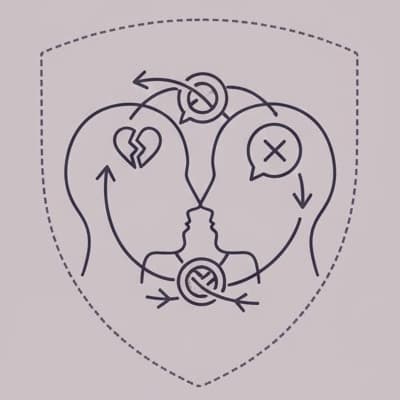
Relationships

Relationships

Communicate clearly, repair trust, and feel safer in connection.

Having the same arguments repeatedly without feeling heard or resolved
Feeling distant, lonely, guarded, or emotionally disconnected
Struggles with trust, jealousy, infidelity, secrecy, or unclear boundaries
Read the guide
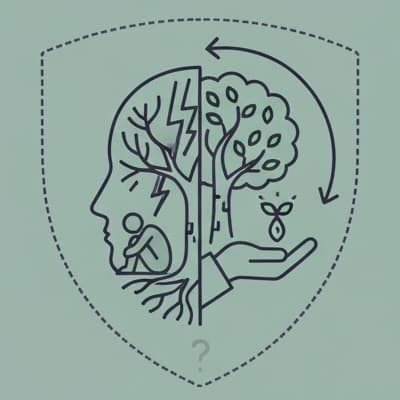
Trauma & PTSD

Trauma & PTSD

Make sense of what happened and rebuild safety in your body and life.

Intrusive memories, flashbacks, nightmares, or feeling suddenly back in the past
Avoiding places, people, conversations, sensations, or reminders of what happened
Feeling constantly alert, easily startled, tense, or unable to fully relax
Read the guide
LGBTQIA+

LGBTQIA+

Affirming therapy where your identity is respected, not questioned.

Anxiety, low mood, or self-doubt connected to rejection or minority stress
Stress around coming out, staying private, or deciding who feels safe to tell
Gender dysphoria, body distress, or questions about social or medical transition
Read the guide
Social Anxiety

Social Anxiety

Ease the fear of being judged and feel more present with people.

Strong dread before calls, meetings, dates, parties, or presentations
Fear of blushing, shaking, sweating, stumbling over words, or looking awkward
Avoiding social plans, staying quiet, or leaving early to reduce anxiety
Read the guide
Eating Disorders

Eating Disorders

Get support for food, body image, control, shame, and recovery.

Strict food rules, calorie tracking, fasting, or fear of certain foods
Feeling out of control during eating episodes or eating in secret
Purging, overexercising, laxative use, or other compensating behaviors
Read the guide
Bipolar Disorder

Bipolar Disorder

Recognize mood shifts and create steadier routines with support.

Periods of unusually high energy, racing thoughts, fast speech, or impulsivity
Reduced need for sleep without feeling tired, followed by crashes or exhaustion
Depressive episodes with low mood, low energy, isolation, or hopelessness
Read the guide
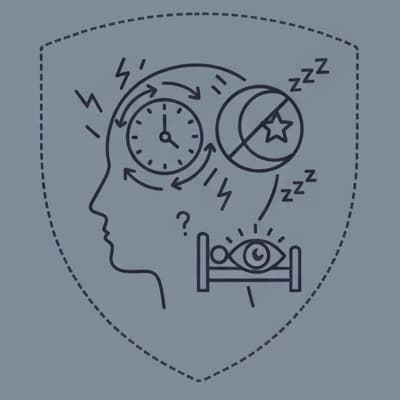
Insomnia

Insomnia

Improve sleep by changing the thoughts and habits that keep you awake.

Taking a long time to fall asleep, even when you feel tired
Waking during the night, waking too early, or struggling to fall back asleep
Feeling anxious, frustrated, or alert as bedtime gets closer
Read the guide
OCD

OCD

Reduce intrusive thoughts, rituals, reassurance, and avoidance.

Intrusive thoughts, images, urges, or doubts that feel disturbing or sticky
Checking, cleaning, counting, repeating, arranging, reviewing, or confessing rituals
Seeking reassurance, researching, mentally replaying, or trying to feel certain
Read the guide

Support that adapts to your needs

Many people come in with overlapping concerns. Your therapist will help you name what is happening, build coping skills, and adjust the care plan as your goals become clearer.

1

Start with a private assessment so we understand your symptoms, preferences, and goals.

2

Get matched with a licensed therapist trained in the areas most relevant to you.

3

Use sessions to build practical tools, track progress, and keep care grounded in real life.