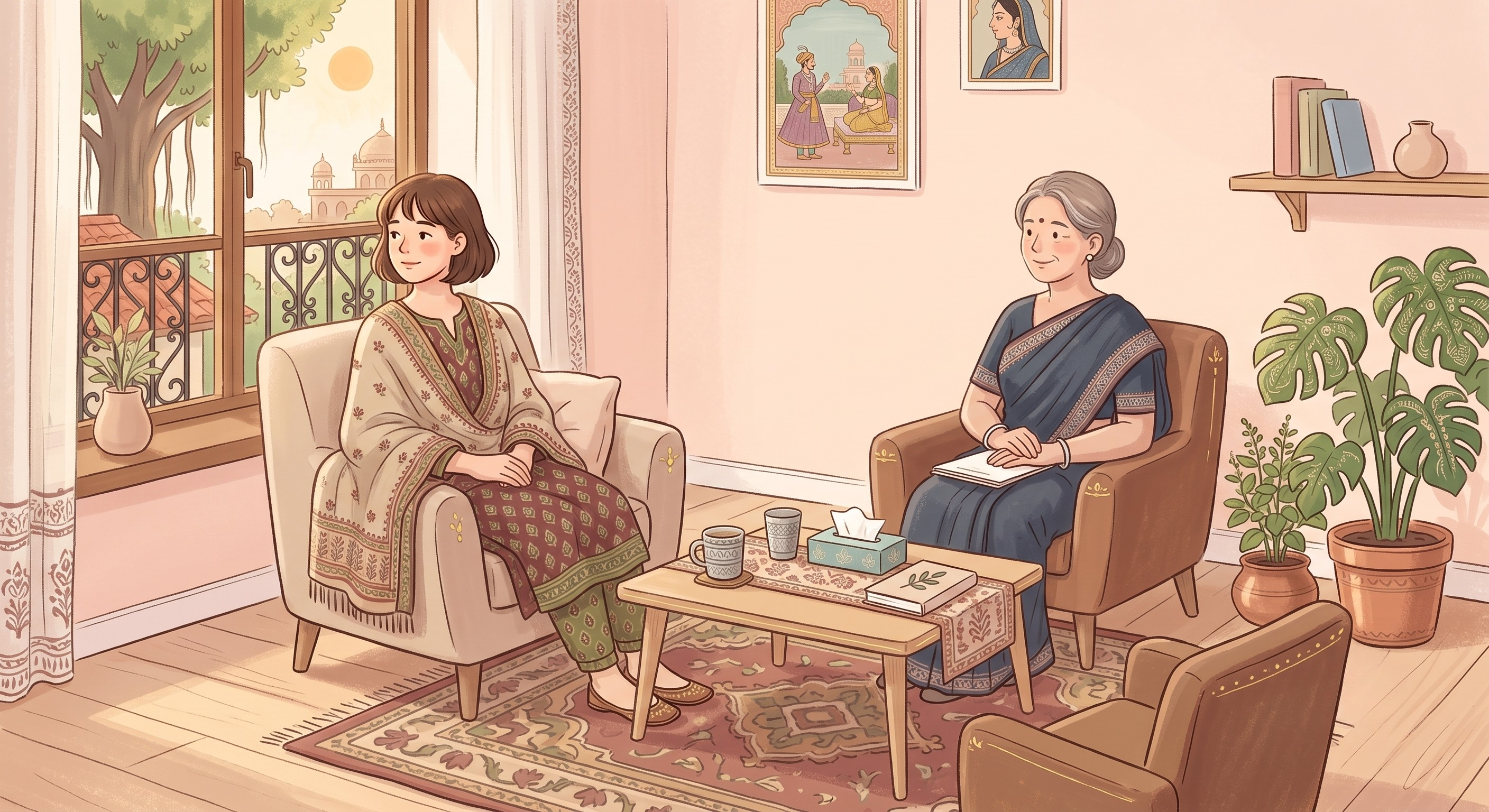
Many parents notice it in a small, uncomfortable moment: they snap at their child in the exact tone their own parent once used, or freeze up emotionally in a moment their child needed comfort, without quite knowing why. These reactions often aren't random. They're frequently inherited — patterns passed down from one generation of caregiving to the next, often without anyone consciously choosing them.
"Rise and grind." "Sleep is for the weak." "Your only limit is you." For over a decade, hustle culture has packaged overwork as a virtue — treating exhaustion not as a warning sign, but as proof of ambition. The result, for millions of people, hasn't been success. It's been chronic fatigue, disconnection from their own bodies, and a form of burnout that doesn't resolve with a weekend off.
You can feel anxious even when you cannot point to one clear problem. That does not mean you are making it up, being dramatic, or failing to cope. Anxiety is your body’s alarm system. Sometimes it reacts to stress that has built up quietly, a physical change, a difficult memory, or a worry that has not yet become obvious to you. Learn why it can happen, what you can try in the moment, and when it may be time to speak with a professional.
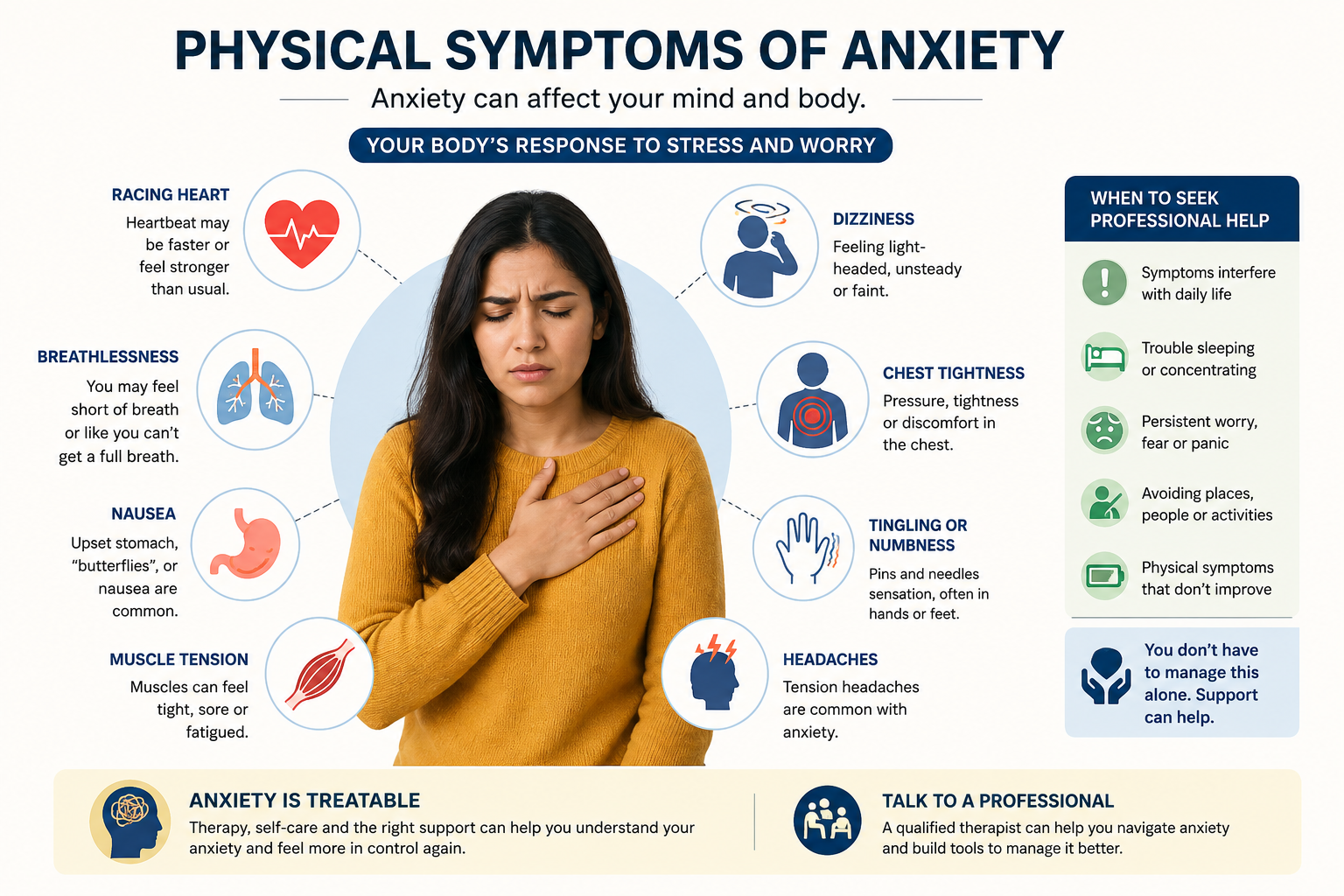
Learn the physical symptoms of anxiety, including chest tightness, dizziness, nausea, racing heart, breathlessness and muscle tension, plus when to seek professional help.
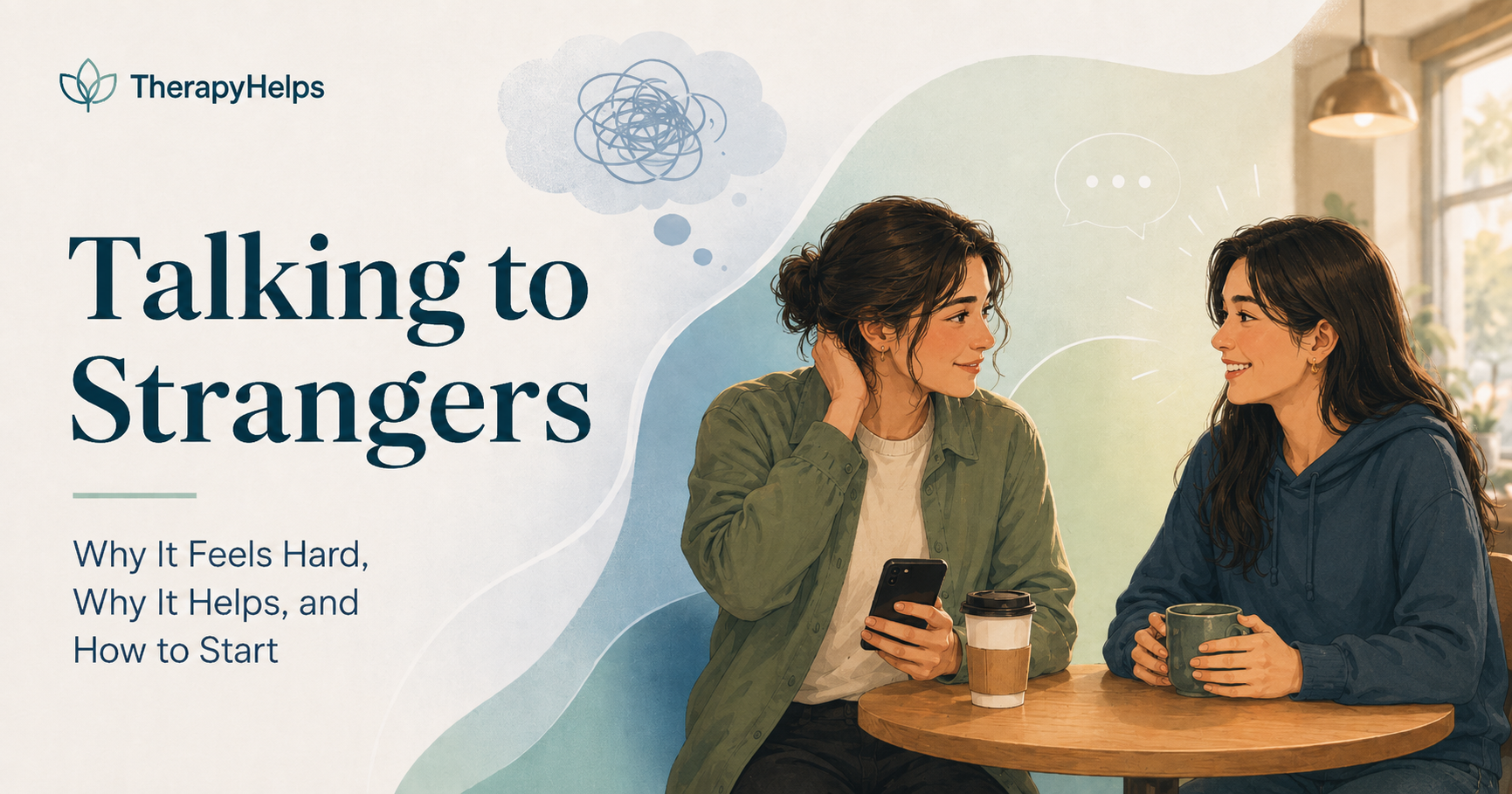
Talking to strangers can feel awkward or intimidating. Learn why it happens, the psychology behind it, practical conversation starters, and how to feel more confident.
For millions of students across India, competitive exams like JEE, NEET, UPSC, and countless others represent years of preparation, sacrifice, and pressure — often starting well before adulthood. The stakes feel enormous, the competition intense, and the timeline unforgiving. It's no surprise that mental health during competitive exams has become one of the most pressing, and often under-discussed, concerns for students, parents, and educators alike.
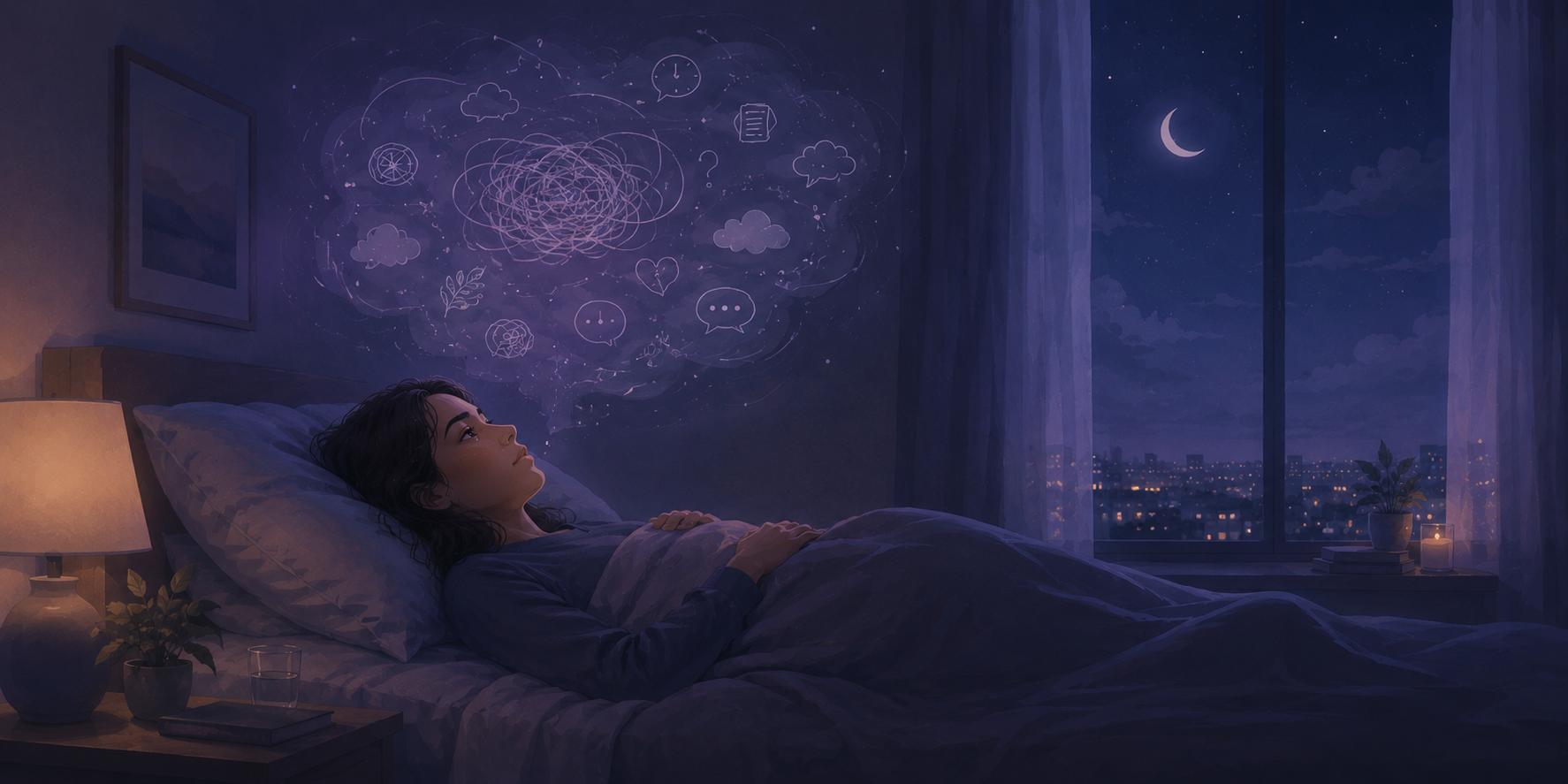
It's one of the most frustrating experiences: your body feels heavy with exhaustion, your eyes are struggling to stay open, and yet the moment your head hits the pillow, sleep refuses to come. If you've found yourself lying awake asking "why am I tired but awake," you're far from alone — and there are usually clear, understandable reasons behind it.
When online counselling first became mainstream, many people assumed it was a compromise — a lesser substitute for "real" therapy until in-person sessions were available again. Years on, with a substantial body of research now available, the picture looks quite different. This article looks at what the evidence actually says about online therapy vs in-person therapy, and where the two genuinely differ.
Many of us grew up in households where mental health simply wasn't discussed — emotions were something to manage quietly, not talk about openly. As a parent today, you may want something different for your own children, but not quite know where to start. Talking to children about mental health doesn't require perfect words or a clinical vocabulary. It mostly requires openness, patience, and a willingness to have the conversation at all.
Say the words "OCD" and most people picture someone excessively washing their hands or obsessively straightening a shelf. While contamination fears and orderliness can be part of the picture, they represent only a small fraction of what obsessive compulsive disorder actually involves. For many people living with OCD, their experience looks nothing like the version popular culture has taught us to expect — which is exactly why so many go undiagnosed for years.
Life doesn't ask permission before throwing challenges our way — a job loss, a breakup, a health scare, a failure that stings more than expected. What determines how we come out the other side isn't the absence of hardship, but how well we're able to adapt to it. That ability has a name: emotional resilience.
Ask most people to describe depression, and they'll say "feeling really sad." But sadness is only one piece of a much larger picture. Depression can show up as exhaustion, irritability, physical pain, or even a strange kind of numbness where you don't feel much of anything at all. This is exactly why so many people live with depression for months or years without recognising it — the symptoms simply don't match what they expected.
"Does therapy actually work?" is one of the most common — and most reasonable — questions people ask before booking their first session. Talking to someone once a week can sound simple, even underwhelming, compared to the size of what people are often struggling with. But the research tells a different story. This article looks at what decades of studies and modern neuroscience actually say about therapy effectiveness.
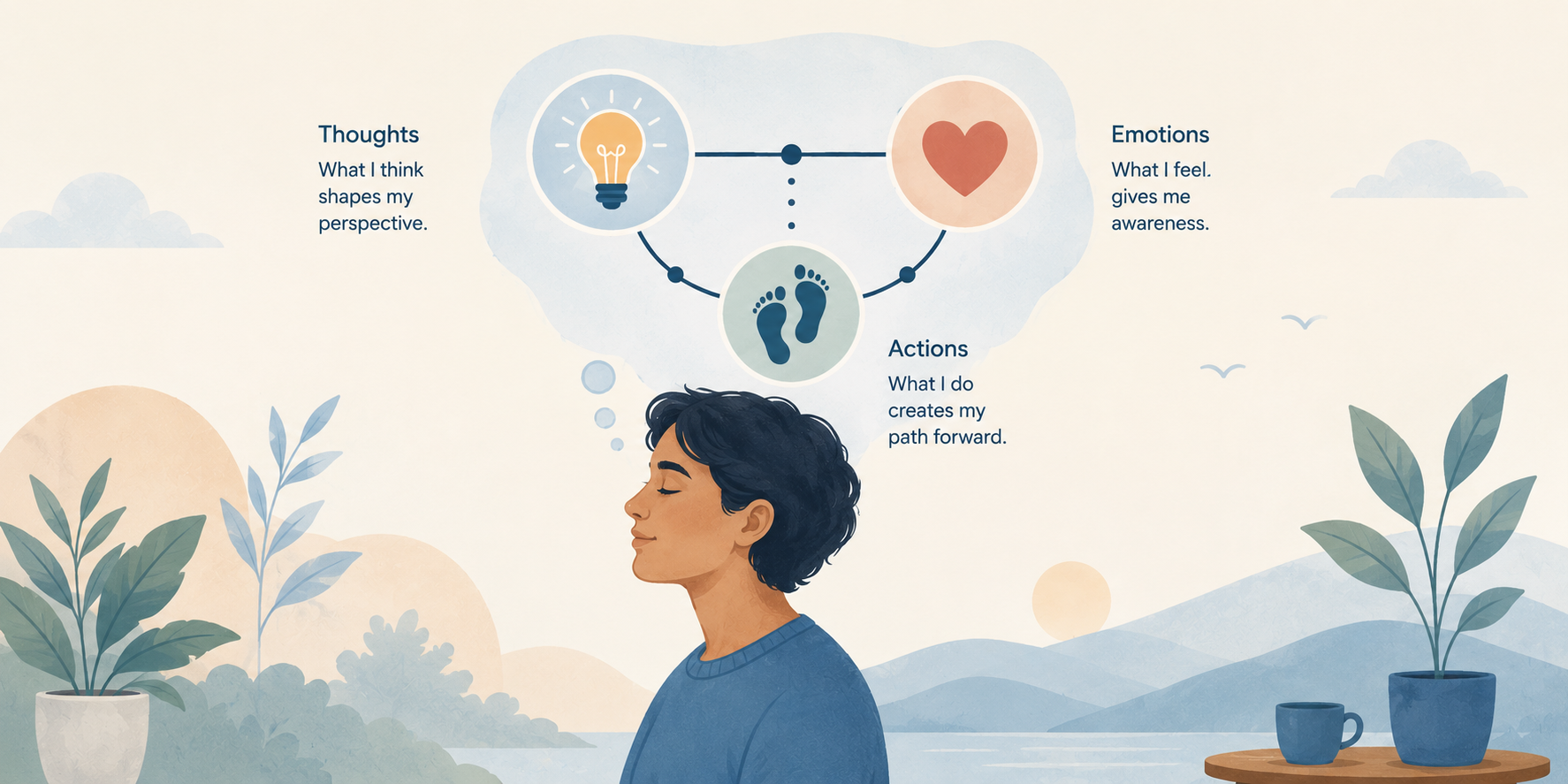
If you've researched therapy options, you've likely come across the term CBT more than any other. Cognitive Behavioural Therapy is one of the most widely used and well-studied forms of talk therapy — and for good reason. This article breaks down what CBT actually is, how it works, and who it tends to help most.
The hardest part of therapy, for many people, isn't the sessions themselves — it's booking the first one. Not knowing what to expect from therapy can make the whole process feel intimidating, even mysterious. So let's take away the mystery.
Deciding to start therapy is a big step. But once you've made that decision, a new question usually follows: how do you actually find the right person to talk to? With so many titles — psychologist, psychiatrist, counsellor, therapist — it's easy to feel confused before you've even booked a session.
Most people assume therapy is only for moments of crisis — a breakup, a breakdown, a diagnosis. But the truth is, you don't need a "big" reason to see a therapist. If you've been asking yourself, "do I need therapy?", the fact that you're asking is often reason enough to explore it.
Adolescence is often described as a bridge — a passage between the dependence of childhood and the autonomy of adulthood. It's a time of rapid change: bodies transform, brains rewire, identities form and reform, and relationships shift in ways that can feel both exhilarating and disorienting. Amid all this change, one factor quietly determines how smoothly a young person crosses that bridge: their emotional well-being.
Feeling constantly worried, stuck in loops of overthinking, or unable to switch your mind off? You are not alone. Anxiety can affect sleep, focus, relationships, work, and everyday peace of mind. Support from a trained psychologist can help you understand what is happening and build practical ways to feel more in control.