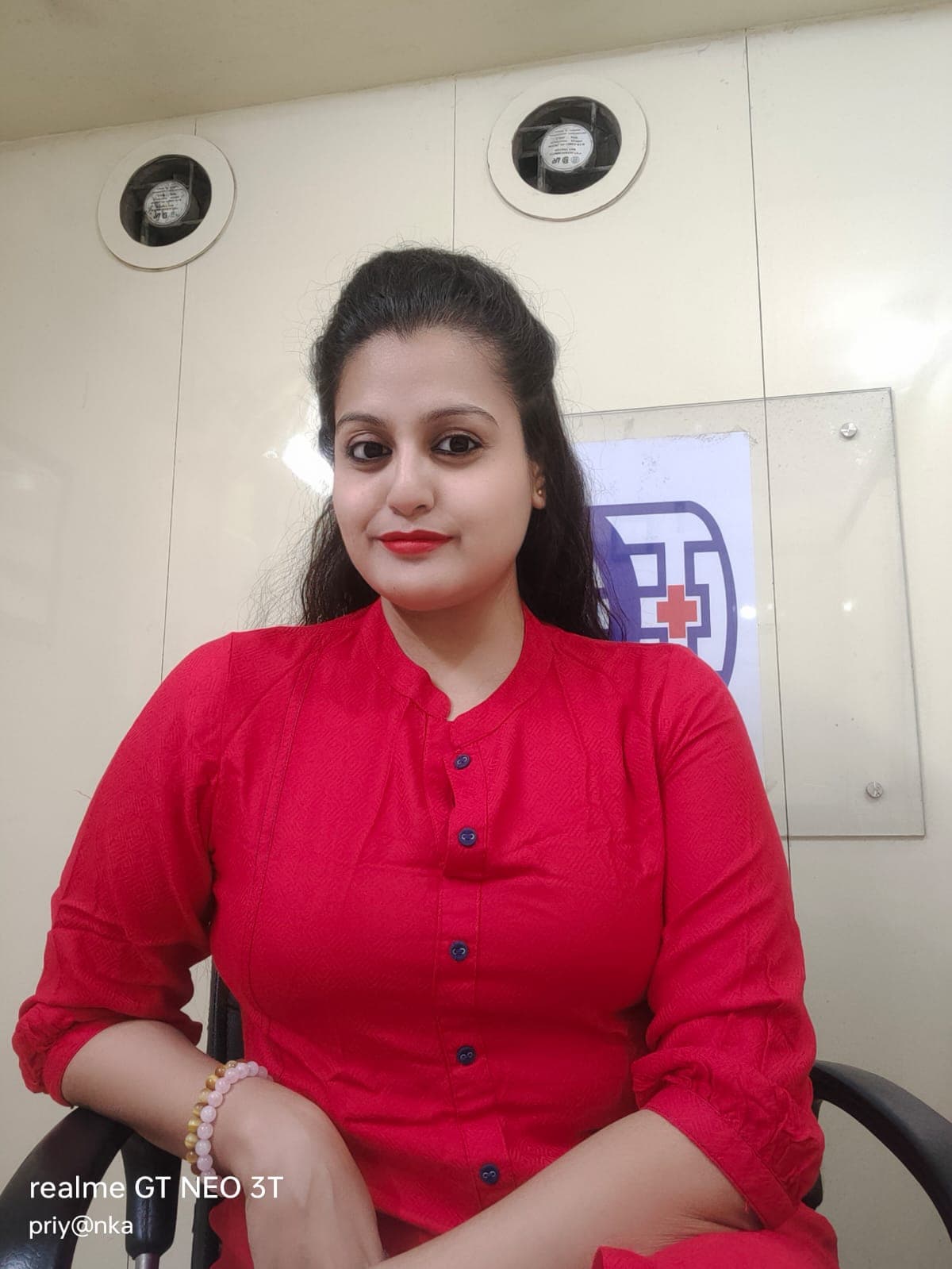

Dr.
Dr. Basant Singh
AnxietyDepressionTrauma
10+ years experience
Jaipur, Rajasthan
Get support for food, body image, control, shame, and recovery.
Eating disorders are serious health conditions, not a choice or a failure of willpower. They can involve restrictive eating, binge eating, purging, compulsive exercise, intense preoccupation with food or body shape, or other behaviours that affect physical and mental health. They occur in people of all body sizes, genders, ages, and backgrounds. Only a qualified professional can assess and diagnose an eating disorder, and medical risk can be present even when a person does not “look ill.” Fainting, chest pain, vomiting blood, severe dehydration, confusion, or inability to eat or drink safely need urgent medical care.
Care should be coordinated and matched to medical and psychological needs. Therapy may include evidence-based eating-disorder approaches, coping skills, body-image work, and relapse-prevention planning, while a physician and appropriately qualified dietitian monitor physical health and nutrition when needed. Some people need a higher level of care, especially when there is medical instability, severe restriction or purging, or immediate safety risk. This page is not a meal plan, diagnostic tool, or substitute for medical assessment.
You might be experiencing one or more of these symptoms:
Explore concerns that can overlap with Eating Disorders.
Our qualified counselors and mental health professionals with experience supporting Eating Disorders.
Take our 5-minute well-being assessment. We’ll match you with the therapist who best understands your needs and supports your goals.