
Counselling Psychologist
Dr. Vandana
ParentingRelationshipsAnger Management
20+ years experience
Jaipur , Rajasthan
Make sense of what happened and rebuild safety in your body and life.
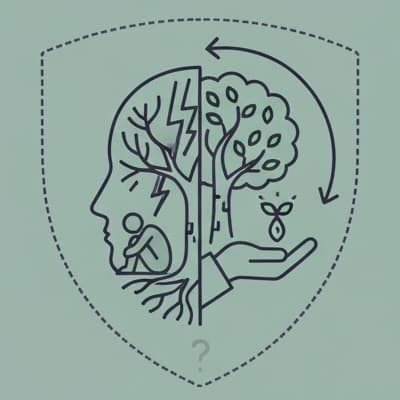
After a frightening, dangerous, or deeply distressing event, some people have lasting changes in mood, sleep, alertness, memories, or sense of safety. PTSD is a specific diagnosis that a qualified clinician assesses over time; not everyone who experiences trauma develops PTSD, and distress after an event is not a personal failure. Possible signs include intrusive memories or nightmares, avoidance of reminders, feeling constantly on guard, or changes in mood and thinking. Symptoms can overlap with anxiety, depression, sleep problems, and physical health conditions, so careful assessment matters.
Trauma-informed care should emphasise safety, choice, collaboration, and clear consent. Treatment may include skills to manage distress, improve sleep, and reconnect with daily life before or alongside trauma-focused work. A qualified clinician can discuss whether an evidence-based trauma therapy is suitable and at what pace. You do not have to describe traumatic events before you feel safe enough to do so. If you are in immediate danger, unable to stay safe, or experiencing a medical emergency, seek urgent local help rather than relying on this guide.
You might be experiencing one or more of these symptoms:
Explore concerns that can overlap with Trauma & PTSD.
Our qualified counselors and mental health professionals with experience supporting Trauma & PTSD.
Take our 5-minute well-being assessment. We’ll match you with the therapist who best understands your needs and supports your goals.